


Mastering Leadership and Change in Healthcare: Change Management for Healthcare Leaders

In today’s fast-evolving healthcare environment, leaders face unprecedented challenges. From regulatory shifts to technological advancements and patient expectations, the pressure to adapt is relentless. As an experienced healthcare operations consultant, I have witnessed firsthand how effective leadership combined with strategic change management can transform healthcare organizations. This post will provide practical, measurable solutions to help healthcare leaders master change and drive sustainable improvements.
Understanding Change Management for Healthcare Leaders
Change management is not just about implementing new processes or technologies. It is a comprehensive approach that involves preparing, supporting, and helping individuals and teams to adopt change successfully. For healthcare leaders, this means aligning change initiatives with organizational goals while maintaining high standards of patient care.
Key components of effective change management include:
Clear vision and communication: Leaders must articulate the purpose and benefits of change clearly to all stakeholders.
Engagement and involvement: Involving frontline staff and clinicians early in the process fosters ownership and reduces resistance.
Training and support: Providing adequate resources and education ensures smooth transitions.
Measurement and feedback: Tracking progress and adjusting strategies based on data helps sustain momentum.
By focusing on these elements, healthcare leaders can minimize disruption and maximize the positive impact of change initiatives.
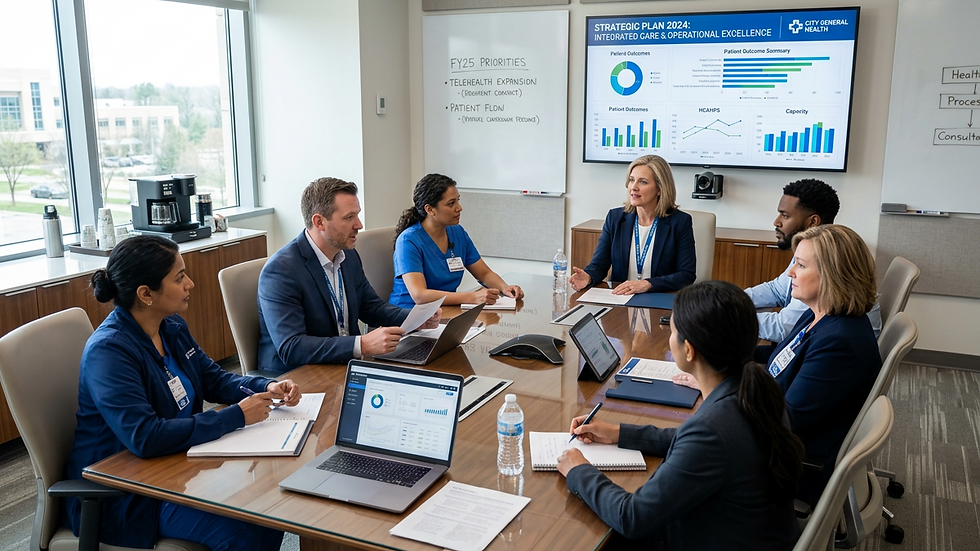
Strategic Leadership in Healthcare Transformation
Leadership in healthcare requires a unique blend of clinical insight, operational expertise, and emotional intelligence. As organizations navigate complex changes, leaders must be both visionary and pragmatic.
Here are practical strategies for leading change effectively:
Build a culture of continuous improvement: Encourage teams to identify inefficiencies and suggest solutions regularly.
Empower decision-making at all levels: Decentralize authority to enable faster responses and innovation.
Model adaptability: Demonstrate openness to new ideas and flexibility in problem-solving.
Align incentives with goals: Use performance metrics and rewards to reinforce desired behaviors.
Communicate transparently: Share successes and setbacks honestly to build trust.
For example, a hospital system I worked with implemented a new electronic health record (EHR) system. By engaging clinical leaders early, providing hands-on training, and maintaining open communication channels, they reduced implementation time by 30% and improved user satisfaction significantly.
Building Resilience Through Change
Healthcare organizations often face unexpected challenges such as pandemics, policy changes, or financial pressures. Resilience—the ability to recover and adapt—is critical for long-term success.
To build resilience, leaders should:
Develop flexible workflows: Design processes that can be adjusted quickly without compromising quality.
Invest in staff well-being: Support mental health and work-life balance to reduce burnout.
Foster collaboration: Encourage cross-functional teams to share knowledge and resources.
Leverage technology: Use data analytics and automation to anticipate and respond to changes.
Plan for contingencies: Create scenarios and response plans for potential disruptions.
A specialty clinic I advised incorporated resilience planning into their strategic roadmap. They established rapid response teams and cross-trained staff, which enabled them to maintain operations during a sudden staffing shortage without impacting patient care.

Practical Tools for Change Management Success
Implementing change requires more than good intentions. Leaders need practical tools and frameworks to guide their efforts and measure outcomes.
Some effective tools include:
Change readiness assessments: Evaluate organizational preparedness and identify barriers.
Stakeholder analysis: Map influence and interests to tailor communication strategies.
Project management software: Track tasks, deadlines, and responsibilities.
Balanced scorecards: Monitor key performance indicators aligned with strategic goals.
Feedback loops: Collect input from staff and patients to refine processes continuously.
For instance, using a balanced scorecard helped a telehealth organization I worked with to align clinical quality, patient satisfaction, and financial performance metrics. This holistic view enabled them to prioritize initiatives that delivered the greatest overall value.
Sustaining Growth Through Operational Excellence
Change is not a one-time event but an ongoing journey. To sustain growth, healthcare leaders must embed operational excellence into their organizational DNA.
Key actions to sustain improvements include:
Standardize best practices: Document and share successful workflows across departments.
Build accountability systems: Define roles, responsibilities, and consequences clearly.
Encourage innovation: Create safe spaces for experimentation and learning.
Invest in leadership development: Continuously build skills at all levels.
Monitor external trends: Stay informed about industry changes and adapt proactively.
By focusing on these areas, healthcare organizations can maintain momentum and achieve measurable results over time.
Mastering leadership and change management in healthcare is essential for any organization aiming to thrive in today’s complex environment. With the right strategies, tools, and mindset, healthcare leaders can transform challenges into opportunities and deliver exceptional care sustainably.


Comments